THE PEDAGOGICAL EFFECTIVENESS OF ARTIFICIAL INTELLIGENCE TECHNOLOGIES IN THE EDUCATIONAL PROCESS
Keywords:
artificial intelligence, digital education, pedagogical effectiveness, adaptive learning, automated assessment, educational technologies, innovative education, learning processAbstract
This article analyzes the pedagogical effectiveness of artificial intelligence technologies in the educational process from both theoretical and practical perspectives. The impact of AI-based digital tools on the quality of education, students’ learning processes, and teachers’ pedagogical activities is examined. The study explores the possibilities of adaptive learning, automated assessment systems, learning analytics, and the formation of individualized learning pathways. In addition, the role of artificial intelligence technologies in enhancing students’ motivation, critical thinking, and self-directed learning competencies is substantiated. The article also discusses pedagogical, organizational, and ethical challenges that arise when integrating artificial intelligence into educational systems. The findings indicate that the effective implementation of artificial intelligence technologies contributes to the innovative development of the educational process, improves learning outcomes, and supports data-driven pedagogical decision-making. The results of the research may be used to improve modern educational practices and to design sustainable strategies for the integration of artificial intelligence in teaching and learning environments.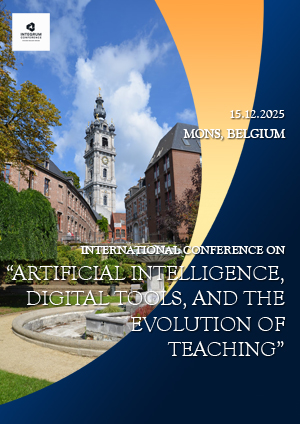
Downloads
Published
2025-12-15
Issue
Section
Articles